ArticlesTraining
Does Cardio Kill Your Gains?
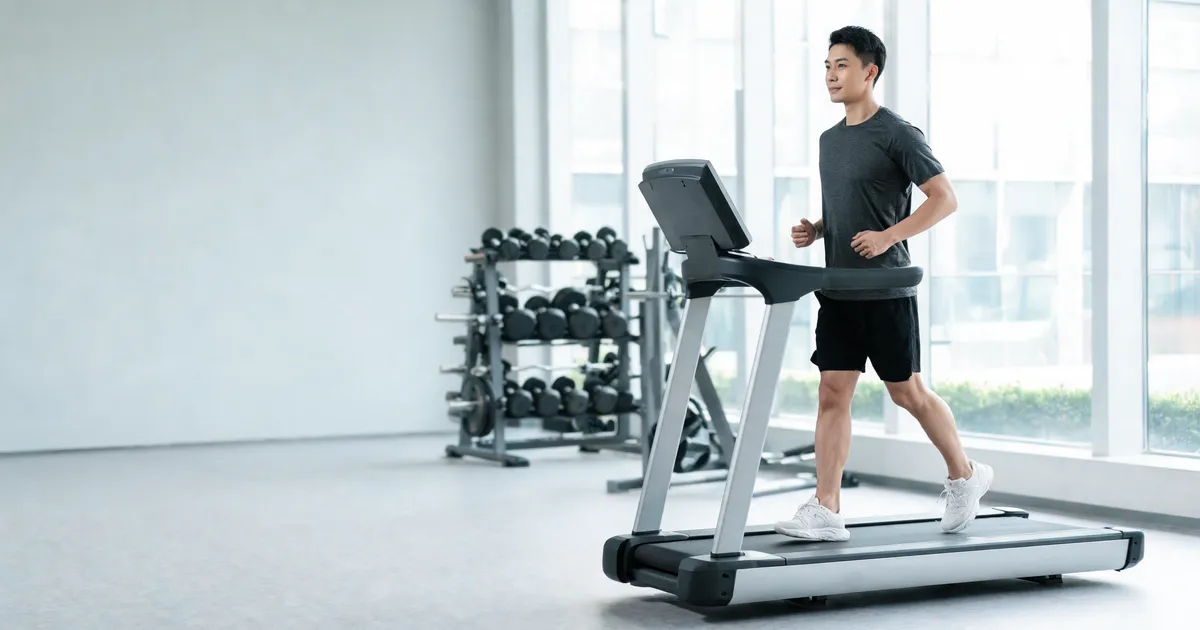
Short answer: not much. In the largest analysis so far, adding cardio to a lifting program did not reduce muscle growth or maximal strength. The one thing it slightly lowered was explosive power, and only when both were done in the same session. Separating them by three hours or more erased that difference, and when you do both together, lifting first was slightly better for lower-body strength.
Where the fear came from
The idea that cardio "interferes" with lifting is decades old. An influential 2012 meta-analysis found that people doing both grew somewhat less than people only lifting, and that running seemed to interfere more than cycling. Longer and more frequent endurance sessions were linked with smaller gains[1].
What newer research shows
A 2022 meta-analysis twice the size — 43 studies of healthy adults training for at least four weeks — compared lifting alone with lifting plus cardio under supervision[2]:
- Muscle growth: no difference.
- Maximal strength: no difference.
- Explosive strength (like jumping): slightly lower — but only when cardio and lifting were in the same session. With three hours or more in between, the difference disappeared.
- Running vs cycling, how often people did cardio, training level, and age did not change these results.
One more detail: looking at individual muscle fibers instead of whole muscles, another analysis found a small negative effect, mostly when the cardio was running. The authors called this preliminary[3]. For most people, the practical effect on visible muscle size is small or none.
Lift first or cardio first?
If you do both in one session, the order matters a little for strength. Lifting before cardio led to about 7% more lower-body strength gains than the reverse order, but there was no clear difference in muscle growth either way[4].
How to combine them
- Lift first when you do both in one session, especially on leg days.
- Separate them by a few hours if jumping, sprinting, or explosive power matters for your sport.
- Keep hard cardio away from hard leg days. Intense running or intervals the day before heavy squats can make the squats feel worse.
- Easy cardio is easy to recover from. Walking and easy cycling are unlikely to get in the way much.
- Watch your calories. If you are trying to gain muscle, extra cardio means you need to eat a bit more.
For how many weekly sets to aim for alongside cardio, see how many sets per week you need.
How Muscle Today helps. You can log cardio alongside lifting. Muscle Today estimates how it adds to fatigue in the muscles it uses — your legs after a run, for example — so you can plan leg days around it. Every number links to its sources.
This article is general information for healthy adults and is not medical advice. If you have pain or an injury, stop training that area and talk to a qualified professional.
References
- Wilson JM et al. (2012) Concurrent training: a meta-analysis examining interference of aerobic and resistance exercises. J Strength Cond Res PubMed
- Schumann M et al. (2022) Compatibility of Concurrent Aerobic and Strength Training for Skeletal Muscle Size and Function: An Updated Systematic Review and Meta-Analysis. Sports Med PubMed
- Lundberg TR et al. (2022) The Effects of Concurrent Aerobic and Strength Training on Muscle Fiber Hypertrophy: A Systematic Review and Meta-Analysis. Sports Med PubMed
- Eddens L et al. (2018) The Role of Intra-Session Exercise Sequence in the Interference Effect: A Systematic Review with Meta-Analysis. Sports Med PubMed